From Shelf-edge to Brand Stage - Why the Aisle is Retail’s Most Underused Experience Platform
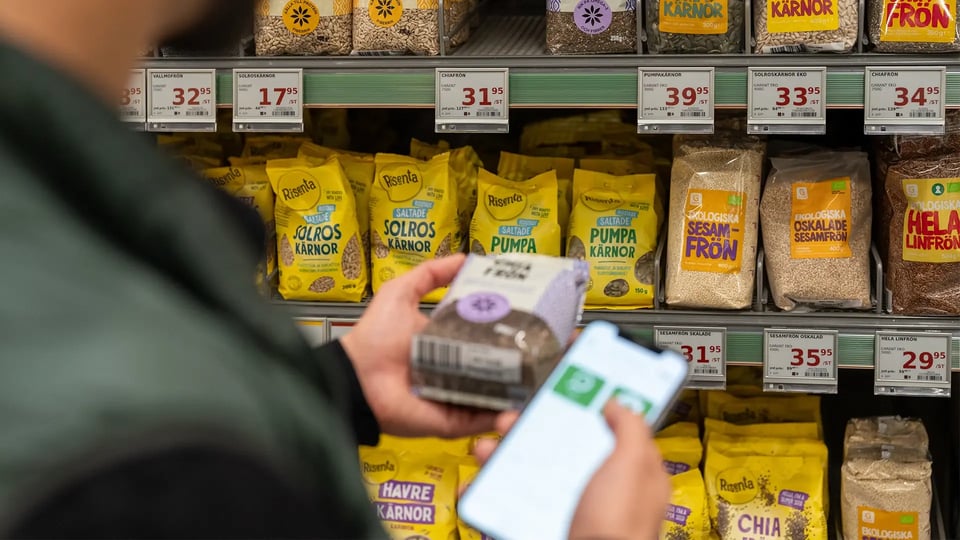
For years, the grocery aisle has been treated as functional infrastructure - price tags, planograms, replenishment. Necessary, but rarely strategic. Yet as physical retail competes harder for attention, loyalty and margin, the shelf edge is emerging as one of the most powerful and most underutilised experience platforms in the store.
This matters because the store is no longer judged only on price. Shoppers assess retailers on clarity, trust, speed, relevance and the feeling that the experience is worth the trip. And increasingly, those judgements happen shelf by shelf, in the moment of decision.
Recent UK shopper research shows that expectations are diverging sharply. Price-pressured shoppers want the basics executed flawlessly - clear pricing, visible promotions and confidence that they are getting fair value. Affluent, digitally confident shoppers want more, specifically, richer information, sustainability proof, a sense of quality and cohesion, and an experience that feels as smart and joined up as online. For both groups, the shelf edge is where those expectations are validated or broken.
That’s why retailers are rethinking the aisle, not just as a place to merchandise products but as a place to communicate. This is where solutions such as Pricer Avenue™ become more than ESLs. They are a way to turn the shelf edge into a branded, consistent communication layer that improves the shopper experience, elevates perceptions of the store and supports better commercial outcomes.
The aisle is your most repeated customer interaction
A retailer might run a handful of major above-the-line campaigns per year but the shelf edge is seen millions of times, by every shopper, every visit, across every category. It’s the most repeated customer interaction in physical retail.
Yet in most stores, the shelf edge still looks like a patchwork of different label formats, mismatched colours, inconsistent promotional communication and static signage that quickly becomes outdated. The result is visual noise which simply creates friction. Shoppers slow down, lose confidence or default to the cheapest option because the shelf doesn’t help them decide.
A modern shelf-edge platform changes that dynamic. When communication is coherent, visually and informationally, the aisle feels calmer and more trusted. Promotions become easier to understand. Private label looks more upmarket. Brand messages land with more impact because they’re not competing with clutter.
Use case - confidence in higher-value purchases
Shoppers routinely say that product information matters most when the item is of higher value or higher perceived risk, whether that’s health and beauty, specialist nutrition, premium ready meals, DIY or electronics accessories sold in grocery formats. If the shelf can reduce uncertainty, conversion increases.
The brand stage idea is not about turning aisles into billboards. It’s about helping shoppers make decisions with confidence. That might mean clearer comparison cues, reassurance about provenance or sustainability information that’s visible without forcing customers to reach for their phone.
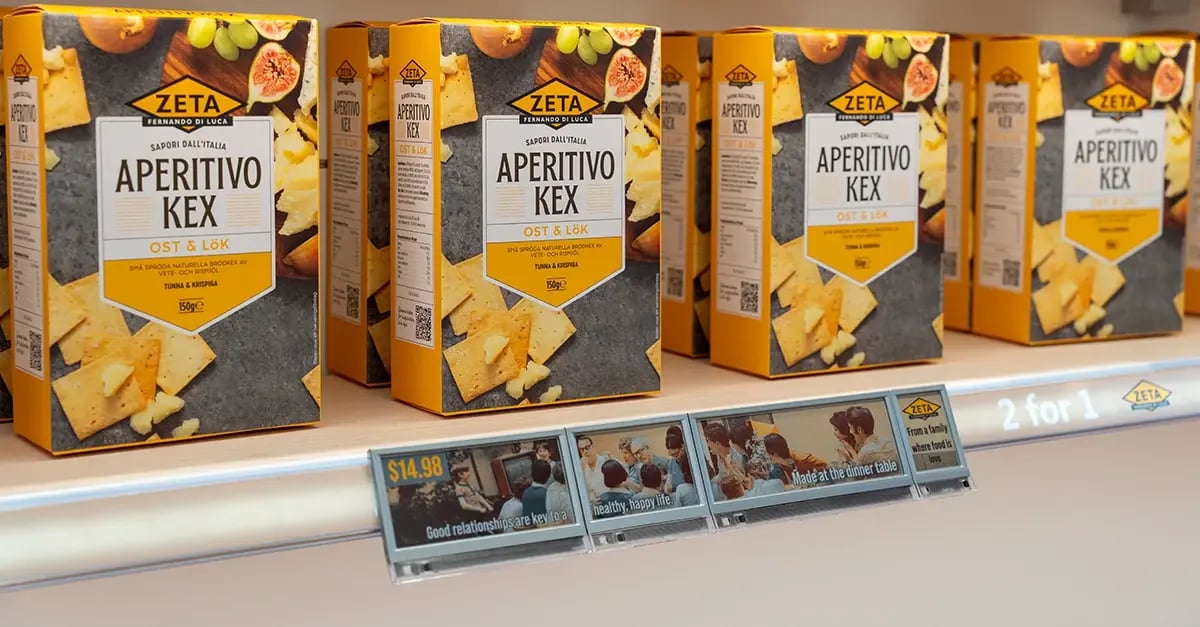
Use case - making own brand feel intentional
One of the most commercially powerful uses of upgraded shelf-edge communication is private label. Many retailers have invested heavily in own-brand quality, but the shelf experience still treats it like the cheaper alternative. When the shelf edge is modern, consistent and well-designed, own brands gain the visual authority that signals quality.
That’s particularly important in a two-speed market, where price-pressured shoppers want value they can trust and affluent shoppers are willing to pay for quality if it’s clearly communicated.
Why this matters now
Retailers are operating under labour pressure while shoppers’ expectations rise. You cannot staff your way out of friction at the shelf. The shelf itself must do more of the work, guiding, reassuring and communicating clearly at the point of choice.
The retailers that win will be those who treat the shelf edge as a strategic asset. In the end, experience isn’t something you add on top of retail. It’s built into the moments that happen most often. And the most frequent moment of all is the shelf-edge decision.
The time is now to transform your shelf edge into a true shopping experience. Reach out to us for more information.