The Intelligent Store Starts at the Shelf Edge
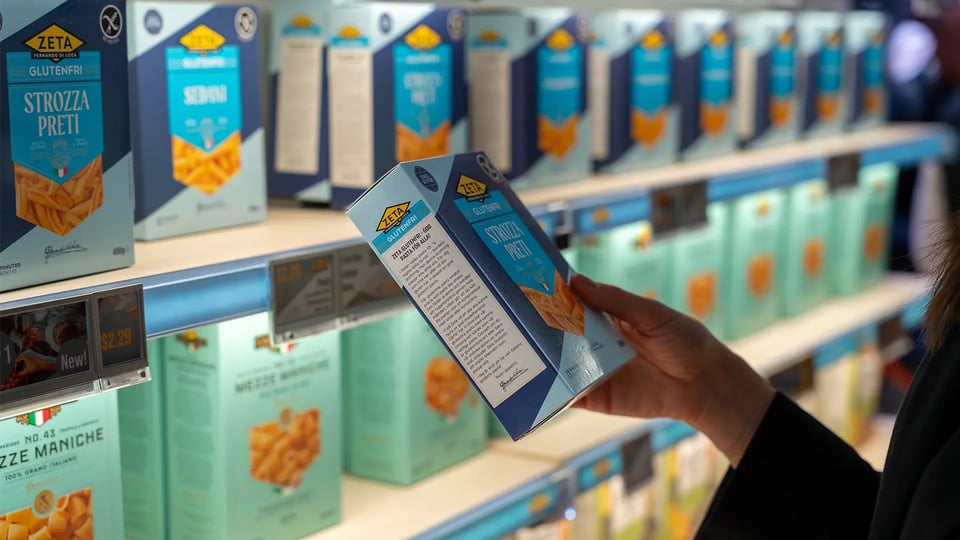
Reports of the death of the physical store have become a cliché, but what we are really witnessing is a rebirth. The store is becoming the most important touchpoint in the shopper journey because it is the only place where price, product, people and experience all converge in real time.
Our latest global grocery shopper research from the U.S., U.K., France, Germany and Italy, reinforces this point clearly; the shopper of tomorrow is already here, and in many cases the industry is struggling to keep pace.
Shoppers everywhere are becoming more price-conscious, more digitally savvy and significantly less forgiving of poor execution. For them, fairness, transparency and availability are non-negotiable and they expect the physical store to feel as “smart” as the digital channels they interact with every day.
This is beginning to reshape competitive dynamics in grocery. The expectations that once applied only to the app or the website are now extending fully into the aisle, placing new demands on store operations and new urgency around digital infrastructure in physical spaces.
Loyalty now has three key attributes
A new loyalty contract between retailer and customer is emerging around fairness, product availability and parity. Price fairness and consistency have become central to loyalty as households manage rising grocery bills and ongoing cost of living pressures.
Across all five markets, shoppers believe the same price should apply regardless of whether they buy online or in-store, and many express frustration when promotions or discounts only exist in one channel. Competing purely on low price is difficult, but competing on price integrity, ensuring fairness, consistency and transparency, is becoming essential.
Product availability has also become not just a supply chain issue, but a loyalty issue. Across markets, stockouts are now a loyalty trigger rather than a mere inconvenience. In all five countries, shoppers explicitly link empty shelves with staffing shortages, and younger/high-income consumers are the least tolerant, opting to switch retailers rather than settle for substitutions.
In an environment where retail loyalty is already low and multi-store shopping is common, a stockout is increasingly a trigger for reallocation of spend, not just a switch to another product.
Real-time pricing is no longer about speed alone; it is about accuracy, trust, and execution consistency across every store.
— Finn Wikander, Chief Product Officer, Pricer
The third pillar of this new contract is the expectation that physical and digital environments tell the same story. Many shoppers report frustration when pricing, product details or promotional information they encounter online does not match what they find in the store. When price, availability or product information fails to align across channels, trust erodes quickly.
If the price is wrong, the information is wrong or the product is not there, the experience fails, regardless of how strong the brand, the loyalty program or the mobile app may be.
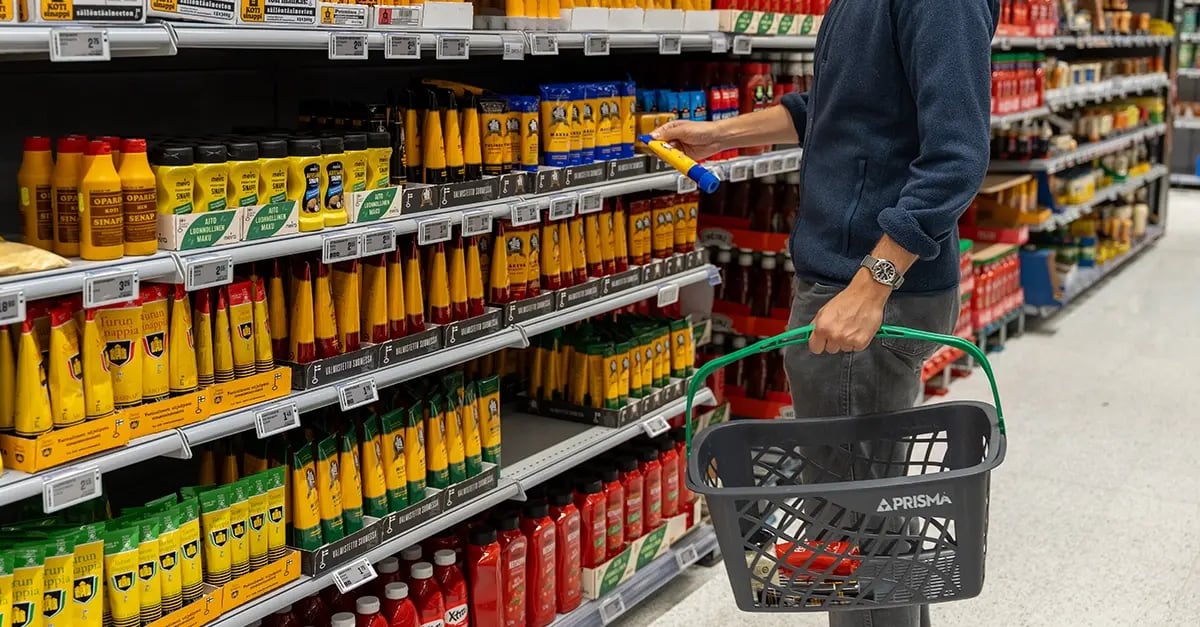
Operational excellence gives the shopper a better experience
The technologies that now sit behind the modern store (Electronic Shelf Labels, smart shelves, replenishment alerts, computer vision and task management) are often framed solely as productivity solutions. The efficiency gains are indeed real and material.
Automating price changes eliminates one of the most labor-intensive processes in the store while ensuring price accuracy. Real-time shelf-edge alerts remove the manual guesswork from replenishment, ensuring limited labor hours are deployed where they matter. But the retailers we see winning are the ones who understand that operational excellence is not the end state, it is the foundation for a better human experience.
When ESLs automate thousands of price changes in seconds, they guarantee price integrity. When shelf-edge systems detect empty shelves and direct replenishment tasks to associates at the right moment, availability becomes a deliverable promise rather than a hope.
When promotions, pricing and product information are synchronized between the website, the app and the shelf, shoppers encounter a consistent narrative regardless of how they enter the journey. Operational efficiency becomes the mechanism through which retailers deliver fairness, transparency and trust.

The shelf sees that not all shoppers are the same
This pattern is consistent across markets: younger and more affluent shoppers expect digital fluency and sustainability transparency, while older and lower-income shoppers prioritize price, availability and human support. They are less attracted to more advanced digital layers, but they strongly support practical technologies that protect fairness and availability.
Younger and higher-income shoppers, particularly Gen Z and Millennials, expect something more. They gravitate to digital fluency, sustainability transparency, personalized offers, mobile-integrated journeys and seamless redemption.
They see discount formats not as compromises but as intelligent value strategies. They are also willing to reward retailers who can help them shop more efficiently, more transparently and more confidently.
It is notable that the shelf edge sits at the intersection of both groups. For most shoppers, it is a trust anchor - live, accurate prices, consistent promotions and clear value communication. For digitally fluent shoppers, it is the connective tissue of a smart store - a gateway to reviews, sustainability credentials, stock visibility, digital passports, recipe suggestions and personalized offers delivered through loyalty apps or retail media networks.
This ambient shopper makes no distinction between physical and digital, and depends on both to give them a fully rounded experience. In Europe in particular, sustainability and provenance details at the shelf increase purchase likelihood among digitally fluent shoppers”
This is the true definition of the endless aisle. The implication for retailers is that they cannot choose between operational basics and digital sophistication, they must master the basics for everyone while adding digital value selectively and strategically.
The shelf as digital nervous system
As the physical store becomes more intelligent, the shelf edge becomes a strategic platform.
By connecting to wider store systems, ESLs and other technologies enable retailers to achieve price trust at scale, reduce waste through smarter markdowns and time-sensitive pricing, enhance communication through richer product storytelling, improve on-shelf availability through data-driven replenishment and accelerate omnichannel fulfilment through guided picking.
The shelf edge becomes the digital nervous system of the store, translating the digital twin into visible reality.
Looking ahead, we see a future in which technology earns the store the right to remain the most powerful and profitable point of engagement in retail.
Shoppers are already acting as if that world exists because they expect the physical and digital to speak the same language. They expect fairness and availability as standard. They welcome smart technology when it lowers prices, reduces friction or saves time.
The retailers who succeed in this new environment will be those who recognize that intelligence at the shelf edge is not a peripheral upgrade. It is the foundation of a modern retail experience and the mechanism through which loyalty is now earned. This is not simply a trend but a structural shift in where retail is headed.
Do you want to learn more about how you can transform your shelf edge? Contact us today and we will tell you more.
This article was originally published in Retail Today.