Why Shelf Infrastructure Decisions Matter More than Ever in a Two-speed Market
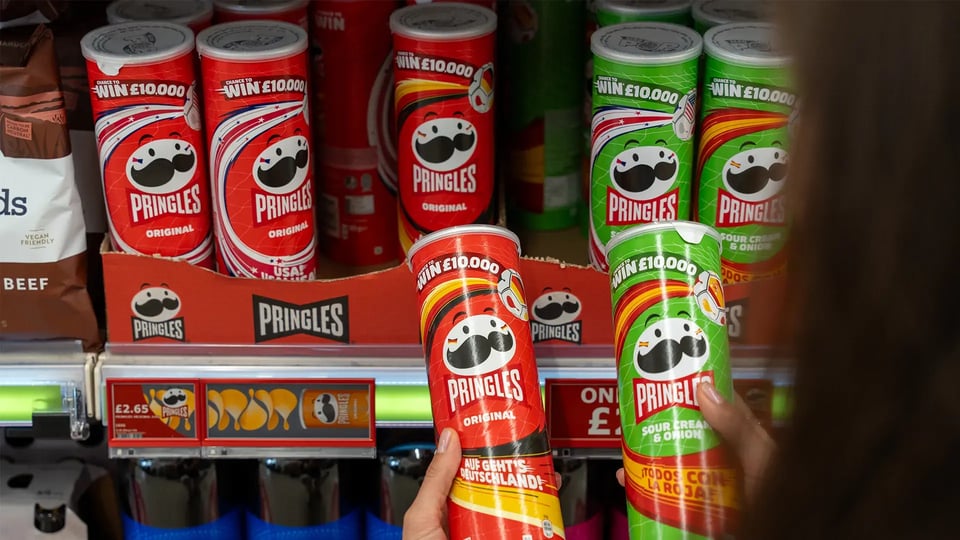
Retail history is full of short-term fixes that became long-term constraints. Solutions that solved a single pain point but couldn’t evolve. Systems that locked stores into outdated formats. Store investments that looked modern on day one, then started aging immediately.
As retailers invest in digital transformation, shelf infrastructure decisions are becoming strategic rather than not tactical.
Because the shelf edge touches everything, pricing trust, promotions, product information, store standards, labour productivity, brand perception and the ability to innovate.
And in today’s two-speed grocery market, that matters even more. Retailers are being asked to do two things at once, protect affordability for the majority while meeting rising expectations for quality, transparency and experience among affluent shoppers. That requires greater flexibility.
This is why retailers are looking at platforms such as Pricer Avenue not as a simple ESL upgrade, but as part of a longer-term shelf-edge strategy.
The shelf edge is where strategy meets reality
Head offices can design perfect pricing strategies, promotion plans and range stories, but the shopper judges what actually shows up on the shelf. If the shelf edge is messy, inconsistent or outdated, strategy becomes irrelevant.
That’s why modernizing shelf infrastructure is about execution at scale, across thousands of meters of shelf, across hundreds of stores, every day, and making execution repeatable.
Use case - building a shelf that adapts as the market shifts
Retail priorities change fast. One year it’s all about price investment, next it’s availability. Then it’s sustainability regulation, or retail media, or new store formats or new category dynamics.
Shelf-edge infrastructure should be designed to flex with those shifts. A platform approach allows retailers to start with immediate value to improve clarity, consistency and shelf standards while keeping options open for what comes next so the store can evolve without constant reinvention.
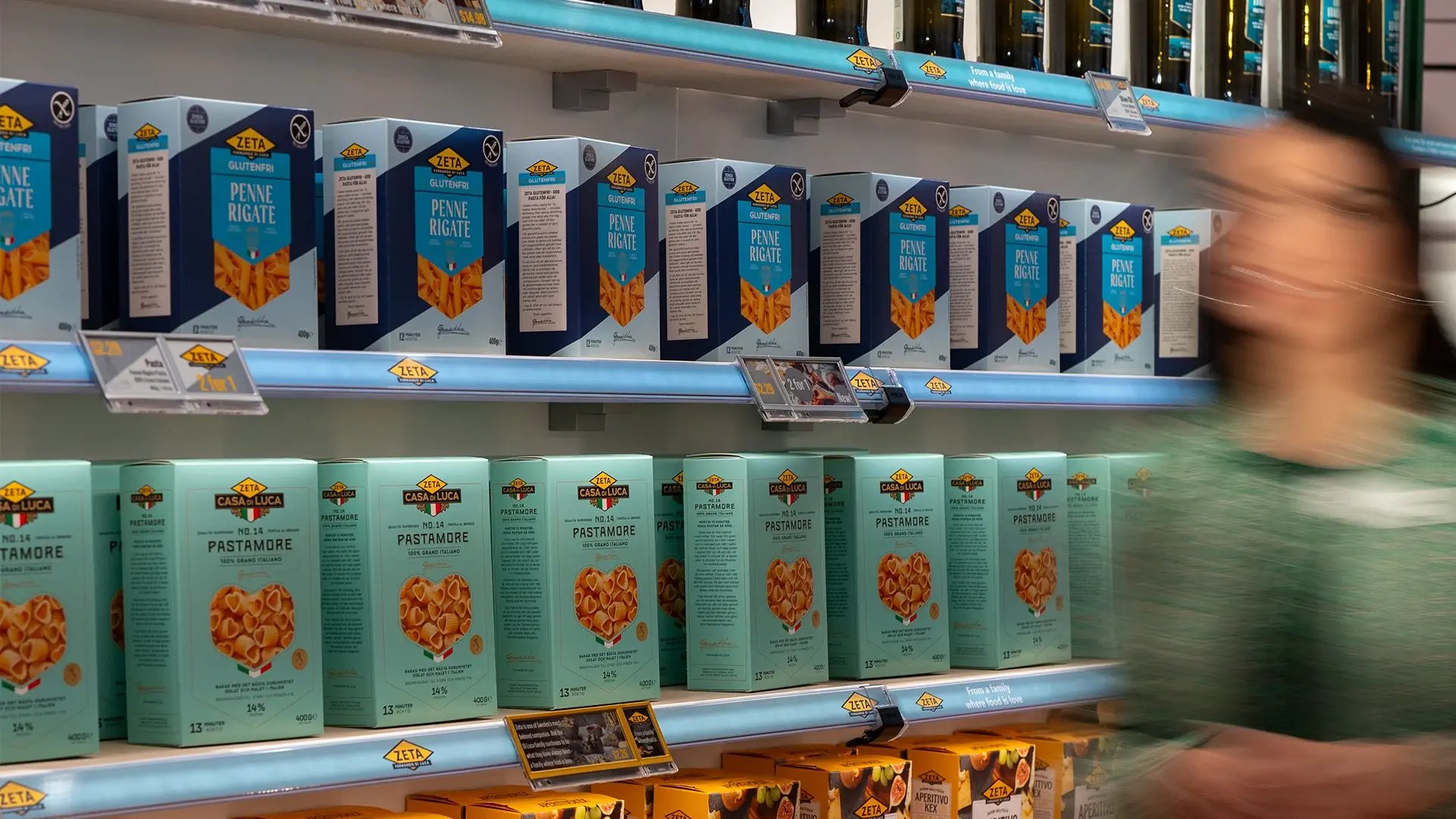
Use case - supporting multiple shopper missions in one store
The two-speed market creates conflicting demands in the same physical space. The same store needs to help a price-sensitive shopper complete a value-led basket quickly, while also helping a premium shopper discover, compare and choose confidently.
Future-proof shelf communication supports both missions:
-
Clear, consistent value cues that build trust and reduce friction
-
Richer information and storytelling where shoppers want reassurance or inspiration
-
A more premium visual standard that elevates perception without inflating costs
This is particularly valuable for retailers trying to avoid becoming stuck in the middle. The shelf edge becomes a way to serve different missions without redesigning the whole store.
Use case - creating an innovation backbone
The shelf edge is increasingly becoming a place where innovation can happen; retail media, guided shopping, richer product content, new forms of merchandising and new operational workflows. Retailers that invest in shelf infrastructure as a foundation can create space for innovation without disruption.
The shelf edge for long-term advantage
It is easy to underestimate the shelf edge because it feels small and operational. But it’s one of the few parts of the store that touches every category and every customer, every day. That makes it a compounding advantage when done well and a compounding problem when it isn’t.
Future-proofing the aisle is a retail strategy story, about keeping your stores flexible, your execution consistent and your experience strong, even as shopper expectations keep changing.
What's next?
It's time to transform your shelf and adapt to the modern shopper experience. Book a personalized demo today and see what you can do with your stores. Fill in your details below and we will reach out shortly.